
Longevity: It’s Not About Anti-Aging, It’s About Better Aging
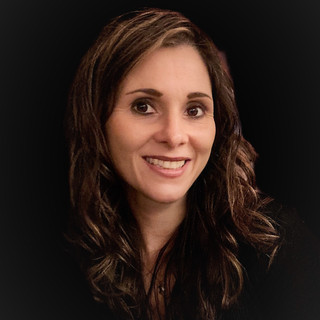

As a Geriatrician, I have come to respect and embrace aging. I will keep talking about longevity, but not because I want us to live forever—we shouldn't. I don’t agree with that goal at all. Our appreciation for life comes from knowing that we are finite.
The L in the HEALTH framework is where we bridge the gap between biology and time.
When most people hear “longevity,” they imagine bio-hackers chasing a “fountain of youth,” costly supplements, or trying to stop time. This view treats aging as a problem to fix and longevity as a prize to earn. That is not what I mean by longevity in the HEALTH framework.
When we talk about healthspan, longevity isn’t a race against time. It’s about balancing Risk, Reserve, and Time. The goal is to make sure your "healthspan"—the years you stay active, mentally sharp, and connected—matches your "lifespan." Longevity isn’t about avoiding the natural course of life; it’s about how much reserve we build up as time goes on.
Healthspan vs. Lifespan: The Real Goal
Medicine usually focuses on how long we live, or lifespan. But living longer without staying active and functional can lead to frailty and dependence.
Aging happens in layers over time. Biologically, our margin for error shrinks—not because the body suddenly fails, but because our physiologic reserve slowly decreases over decades. Healthspan medicine aims to protect that margin.
Cardiometabolic Health: The Delivery System for Your Future
At its core, the biggest threat to longevity is cardiometabolic disease. Heart disease, stroke, and vascular dementia all share common causes like insulin resistance, blood vessel damage, and inflammation.
Your vascular system delivers what your body needs for the future. Problems don’t appear overnight; they develop slowly, often decades before a diagnosis. Longevity means understanding how today’s choices affect your future health.
Cognitive Longevity: The Brain Tells the Truth First
Many fear cognitive decline as they age, but that fear can lead them to avoid confronting it. Waiting too long means losing valuable time we can’t recover.
It’s important to distinguish between normal age-related slowing and disease. Between these is a "gray zone" of early changes—such as slight trouble with planning or slower thinking—that often go overlooked by both patients and doctors. Cognitive longevity means building Cognitive Reserve—your brain’s ability to adapt and stay independent despite physical changes.
The Longevity Gap: Biology vs. Modern Times
Today, we live much longer than the biological timelines our bodies were built for. We spend decades beyond our reproductive years in bodies designed for a shorter life. This mismatch is called the "Longevity Gap." Changes like menopause or shifting hormones aren’t failures—they’re signals. Recognizing this helps us face aging with understanding instead of myths.
Nutrition: Principles More Than Perfection
Nutrition is often where talks about longevity get tangled in ideology and moralizing. The truth is, steady, healthy habits over many years matter more for metabolic health than any single "superfood."
Speaking as both a doctor and a mother, I believe longevity doesn’t mean perfect diets. It means being aware. In a messy world, we focus on basics: eating mostly plants, choosing minimally processed foods, and getting enough protein to protect your muscles—the "organ of independence." These basics aren’t strict rules; they should fit your life.
Emotional Durability: The Secret Modifier
At some point in every talk about longevity, we realize that biology isn’t the only factor. Why do two people with the same diagnosis age so differently?
The answer is often Emotional Durability. Having a strong sense of purpose and emotional connection isn’t just about feeling good—they actually affect biology. Purpose helps protect us by shaping how we handle disease. It lowers inflammation and improves body regulation. Meaning acts as a shield that keeps our sense of self from being overwhelmed by illness.
A Simple Starting Point
If you want a practical lens for Longevity, start here:
Recognize the clock: our biology remembers longer than we do. Begin managing risks before symptoms show up.
Build your buffer: physical and mental reserves are what turn a medical "crisis" into just a "detour."
Close the gap: see your hormonal changes as shifting priorities, not losses.
Protect the "Why": emotional durability is the energy that keeps you connected to life.
Closing: Longevity is about Identity
The L in the HEALTH framework means preserving your ability to be yourself for as long as possible. It’s about protecting your body so you can live your purpose. It’s about handling change with enough reserve, flexibility, and meaning to stay connected to the world.
This is the work of Healthspan.
To dive deeper into the other pillars of the HEALTH framework, visit GeriAcademy to read more: https://www.geriacademy.com/the-health-framwork
Medical Disclaimer: Talk to your medical doctor to learn how you can better protect your health. Before starting any supplement, any exercise program, or making significant lifestyle changes, always talk to your doctor. This blog post does not substitute for medical care; it is provided for informational purposes only.


Comments