
What Is Healthspan? A Geriatrician’s Framework for Aging Well
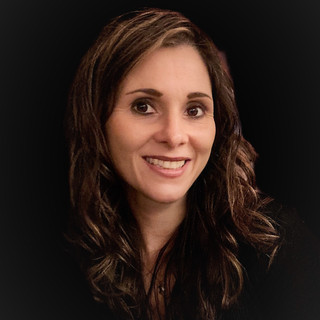

The HEALTH framework is a conceptual model developed by Dr. Golnosh Sharafsaleh to describe healthspan across the lifespan, informed by clinical practice in geriatrics and lifestyle medicine.
For decades, the conversation around aging has focused on lifespan, how long we live, how many years we can add, and how to delay death. In medicine, and especially in geriatrics, this focus often misses what matters most.
The more meaningful question is not how long we live, but how well we live during the years we are given.
Healthspan refers to the years of life spent in good physical, cognitive, emotional, and functional health. It is not about staying young or avoiding illness entirely. Healthspan is about maintaining the ability to move, think, adapt, connect, and live with dignity, even as the body changes and complexity accumulates.
Over years of caring for Elders, I needed a way to talk about healthspan that felt practical and human, not abstract, not fear-based, and not focused solely on optimization. That need led me to develop what I call the HEALTH framework.
The HEALTH Framework
The HEALTH framework reflects how I evaluate healthspan every day in clinical practice. Rather than focusing on isolated diagnoses or single interventions, it looks at aging as an interconnected system shaped by biology, behavior, environment, relationships, and meaning.
Each domain represents a lens through which I assess a person’s current health, future risk, and capacity to adapt over time. No single domain is more important than another. Together, they form a whole-person approach to aging that is realistic, evidence-based, and grounded in day-to-day medicine.
H – Health Systems in Aging
Aging is not one process. It is the cumulative effect of changes across multiple organ systems interacting over time.
In this domain, I draw on the Five Ms of geriatrics: Mind, Mobility, Medications, Multi-complexity, and What Matters, to understand how aging shows up in real life. This includes changes in memory and thinking, muscle and bone health, medication burden, frailty, and the reality of living with multiple chronic conditions at once.
It also includes the biology of aging itself, inflammation, cellular stress, and the gradual changes in how our cells produce energy and repair damage. Understanding these processes helps ground healthspan in reality rather than fear. Aging is not a failure of the body. It is a biological process shaped by time, environment, and experience.
This domain answers the question, What is actually happening in the aging body?
E – Energy
When people hear the word energy, they often think of motivation or feeling tired. In medicine, energy has a deeper meaning. It refers to the body’s ability to produce and use fuel to support movement, thinking, healing, and daily function.
At the center of this process are mitochondria, which are tiny structures inside our cells that act like power plants, the engine of the cell. Their job is to take nutrients from food and convert them into usable energy. When mitochondria are working well, we feel more capable, resilient, and engaged. When they struggle, fatigue, brain fog, weakness, and slow recovery often follow.
But energy is not just about mitochondria.
This domain also includes:
Sleep and circadian rhythm, which regulate when and how energy is produced and restored
Metabolic health, including blood sugar control and insulin sensitivity
Fatigue syndromes, which can persist even when standard tests look “normal.”
Emotional energy, including burnout, chronic stress, and caregiving fatigue
Trauma and prolonged stress can drain energy just as profoundly as physical illness. When the nervous system remains on high alert, the body diverts resources away from repair and recovery. Healing often involves restoring regulation, safety, and rest, not just correcting lab values.
In clinical practice, energy is often the limiting factor for healthspan. Without adequate energy, movement becomes harder, thinking feels slower, and adaptation to change becomes more difficult.
A – Activity
Activity is not the same as exercise. It is movement as a philosophy of aging.
This domain includes endurance, strength, flexibility, balance, and everyday movement, such as walking, lifting, reaching, and standing. These movements support independence and protect against falls, cognitive decline, and depression.
Regular movement improves circulation, supports brain health, preserves muscle mass, and enhances mood. In contrast, prolonged inactivity accelerates decline, even in healthy people.
I have repeatedly seen that returning to movement after injury, illness, or surgery can change how people experience aging. Decline is not inevitable, but inactivity often is.
L – Longevity
Longevity is where modern medicine and ancient wisdom meet.
This domain includes cardiometabolic markers, hormonal changes, menopause, cognitive reserve, and dementia risk factors. It also includes evidence-based supplements, used thoughtfully and in context, not as quick fixes.
But longevity is not just biological. It also includes meaning, purpose, and psychological frameworks that help people tolerate uncertainty and loss. Emotional durability, the ability to stay engaged with life despite change, is a critical and often overlooked part of aging well.
Longevity is not just about adding years. It is about making the years we have more livable.
T – Transformation
Transformation refers to the adaptive changes required to maintain function, independence, and well-being as life evolves.
This includes adjusting to new diagnoses, changes in mobility or cognition, role transitions such as retirement or caregiving, and recalibrating goals of care. Transformation is not a dramatic reinvention. It is the steady, often quiet process of adaptation.
Healthspan depends on how well people are supported through these transitions.
H – Habits
Habits create the day-to-day scaffolding of healthspan.
This domain includes nutrition, sleep routines, stress regulation, social connection, cognitive engagement, and the development of a personal health plan aligned with what matters most to the individual.
Habits are where intention becomes action. They give Healthspan a practical path forward.
Healthspan as a Practice
The HEALTH framework is not about doing everything perfectly. It is about understanding where you are, what matters most right now, and making small, intentional changes that preserve function, agency, and quality of life over time.
Healthspan is not about avoiding aging. It is about learning how to age well.
Educational Disclaimer: This framework and accompanying content are provided for educational purposes only and are not intended to replace individualized medical advice, diagnosis, or treatment. Always consult a qualified healthcare professional regarding personal health decisions.
Authorship Notice: The HEALTH Framework is a conceptual model developed by Dr. Golnosh Sharafsaleh. All content and original materials are protected by copyright. No part of this framework may be reproduced, distributed, or adapted without written permission from the author.


Comments